At the core of the project is not a single technology, but an integrated system. The bioethanol used in the fuel is produced by BioOperations, a facility located in the North Kazakhstan region. It is the only complex in the country dedicated to deep wheat processing. Fuel blending and market distribution are then handled by BioPetrolCompany. The entire value chain from grain to finished fuel is managed within one group of companies.
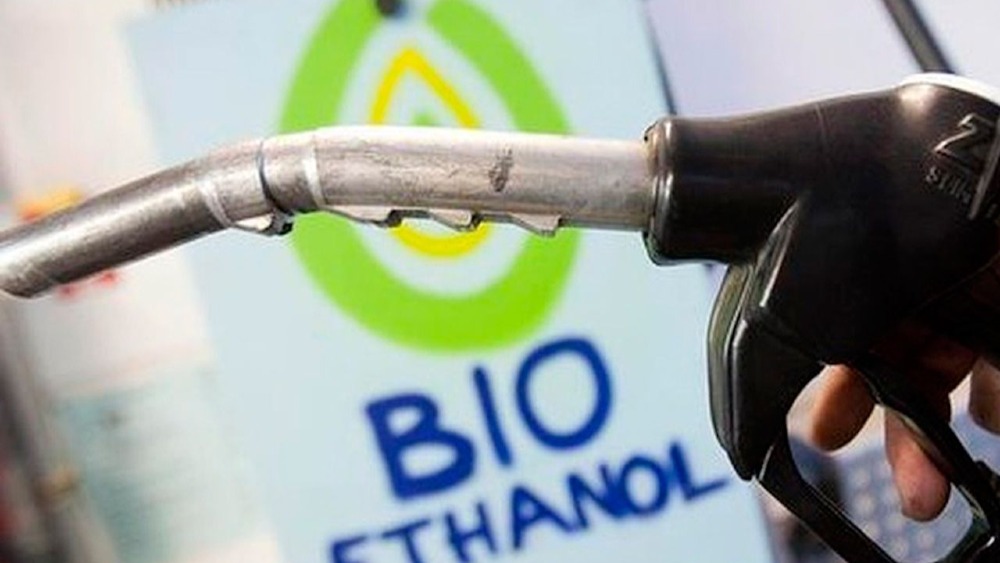
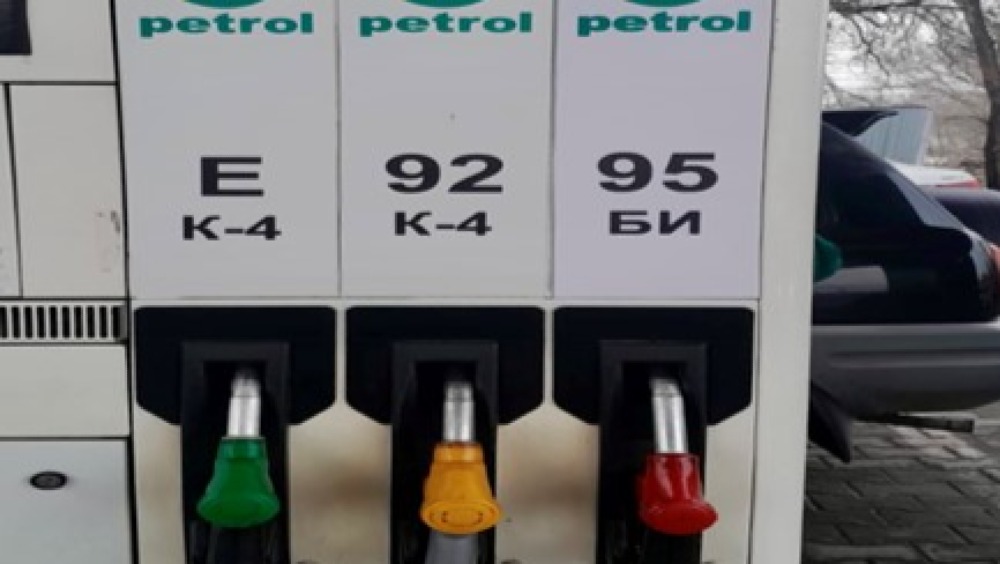
BI-95 is a gasoline blend containing 5-10% bioethanol. This composition preserves key fuel characteristics, including octane rating, while improving its environmental profile. The bioethanol is derived from processed grain and is considered a carbon-neutral component.
Such solutions have long been standard worldwide. For more than 20 years, bioethanol blended fuels have been widely used across the EU, the United States, and Japan. Kazakhstan’s bioethanol is already integrated into international markets, with BioOperations exporting its products to the European Union and the United Kingdom since 2022.
Importantly, switching to BI-95 requires no engine modifications. The fuel can be used in existing vehicles without any adjustments. Tests have confirmed that the addition of bioethanol does not affect engine performance, power output and torque remain comparable to traditional gasoline. In some tests, figures reached up to 367.3 horsepower and 514.8 Nm of torque, with zero carbon monoxide emissions recorded. BI-95 based on AI-92 gasoline with a 6% bioethanol blend also demonstrated stable performance.
The company emphasizes that this is not just about launching a new product, but about driving broader industry transformation.
“For us, this project represents a shift in how we operate, from simply producing a product to shaping an entire segment. It reflects deeper integration across industries, where agriculture works in tandem with industrial production and energy. These solutions take time because the goal is to build a sustainable system rather than a one-off product. From the outset, we viewed this as a long-term initiative tied to developing domestic processing and making more efficient use of raw materials. In this context, what matters is not only the product itself, but also the potential to scale such solutions in the future. This goes beyond a single company, it is about the development of the market as a whole,” said project lead Laura Bergibayeva.
The environmental impact of the fuel is one of its key advantages. The use of BI-95 reduces particulate matter emissions by more than 70%, nitrogen oxide emissions by 25% compared to AI-92 gasoline, and greenhouse gas emissions by 60-70%.
BI-95 is already available at retail through the Ros Petrol filling station network. As the product enters the market, it has begun receiving positive feedback from both consumers and partners.
The introduction of this fuel signals a shift in the industry’s underlying model. Kazakhstan is not simply gaining a new product, but a framework in which agricultural raw materials become part of the fuel market. It is a development that brings together environmental, economic, and industrial processing priorities in a way not previously implemented at this scale.