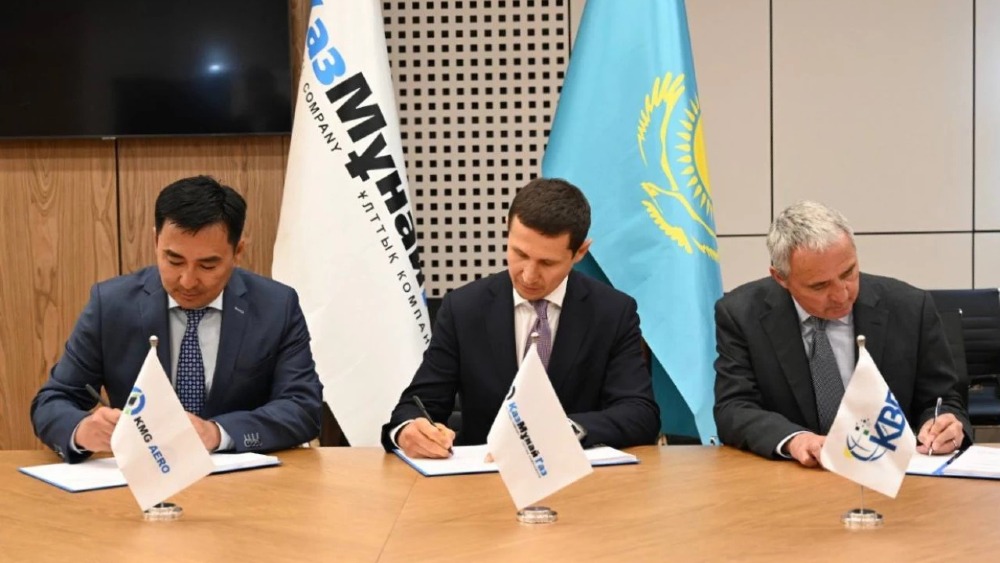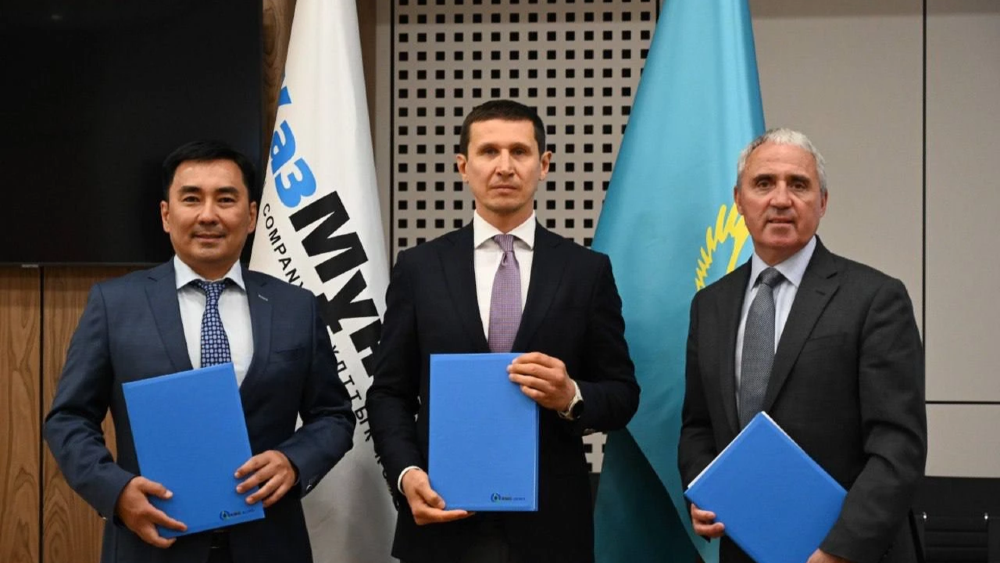
The agreements support the strategic objectives set by the President of the Republic of Kazakhstan to develop a low-carbon economy, deepen raw material processing, and expand the production of high value-added products. The signing marks the transition of the project to the practical implementation stage for establishing a high-tech aviation fuel production facility in accordance with international environmental standards.
During the ceremony, the parties signed two tripartite agreements covering the development of the Process Design Package — the basic project documentation for the future production facility — as well as a licensing agreement for the use of the Alcohol-to-Jet technology, which enables the production of aviation kerosene from alcohol-based feedstock.
The signed agreements provide the necessary legal, organizational, and technological foundation for advancing the project to the next stage of implementation.
“The signing of these strategic agreements is an important step toward establishing Kazakhstan’s first Sustainable Aviation Fuel production facility. The project creates new opportunities for the deep processing of grain feedstock and the development of bioethanol production, as well as for the creation of high value-added products. We believe that combining the expertise of Kazakh companies with KBR’s international technological capabilities will provide a strong foundation for implementing the project in line with modern environmental standards, noted — Zhandos Yessenbay, Deputy General Director for Development of KazFoodProducts LLP
The localization of such advanced production facilities is of significant importance for the development of Kazakhstan’s petrochemical and transport potential. Establishing domestic production will help attract major investments, ensure effective technology and expertise transfer, and make a significant contribution to reducing CO₂ emissions, strengthening Kazakhstan’s position as a leading logistics hub in Central Asia.